
When the North Cebu Earthquake 2025 struck on a quiet Tuesday night (September 30th), no one expected how strong it would be or how deeply it would shake not just our homes but our hearts.
It was exactly 10 PM when everything began to move. I was still working on my computer, Marco was playing beside me, and my husband, Yang, was watching TV in the sala. Suddenly, my monitor wobbled, and I felt my standing desk sway beneath my hands. I heard Yang shout, “Linog!” (earthquake), and that was it. Marco and I ran outside as fast as we could.
Our helper, who was washing dishes, didn’t notice the quake at first. She looked confused as we shouted past her, but quickly followed us out. When I turned back, I saw our chandelier swinging in the sala.
It was a strong quake, though not as terrifying as the 2013 Bohol earthquake I experienced while in a high-rise building in Cebu City. This time, since we were in our bungalow home, I wasn’t panicking, just alert. Still, earthquakes are something you never take lightly.
Outside, our neighbors were already gathered along the street. A minute later, the power went out. We stayed outside for over an hour, talking and waiting until the lights came back. No one dared to go back in right away, not with the aftershocks still rumbling beneath us.
The Days After the North Cebu Earthquake
Less than 48 hours after the quake, on Thursday morning, Yang rode his motorcycle up north to Daanbantayan to check on Arriyus Apartelle. He went to help his dad, who manages the place. Thankfully, the building held strong and suffered no major damage. Power came back in Daanbantayan after a few days, and guests even continued to book despite the ongoing aftershocks.
Yang stayed in Daanbantayan until Saturday night. Normally, the drive home from the north takes 3 to 4 hours (faster if on a motorcycle), but this time it took him over 7 hours! The roads were packed, but for a good reason.
The northbound lanes were full of private cars, trucks, and motorcycles carrying relief goods. Government and private groups were all heading the same way. The traffic stretched for kilometers, but no one complained. It was a rare moment when congestion felt like a sign of hope, proof that Cebuanos were showing up for one another.
As of today (a week after the quake), PHIVOLCS has already recorded more than 8,000 aftershocks! Thankfully, only a few were felt here in Mactan. Still, every time the dogs barked for no reason, we would pause and wonder if another tremor was starting.
Scenes From North Cebu
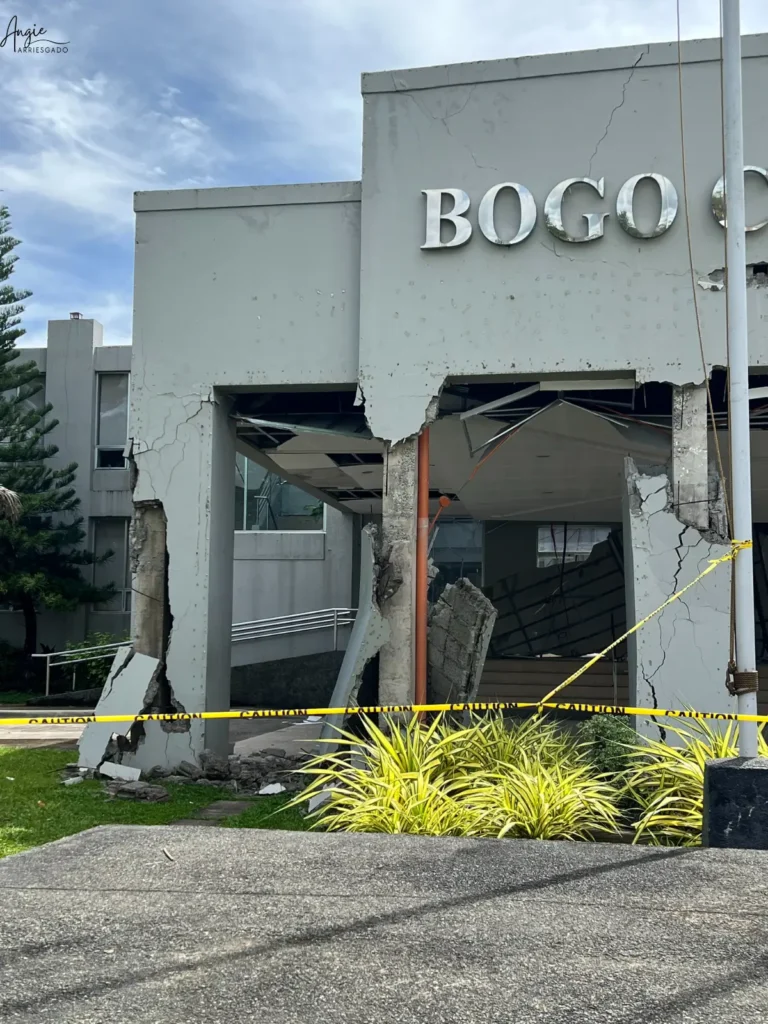
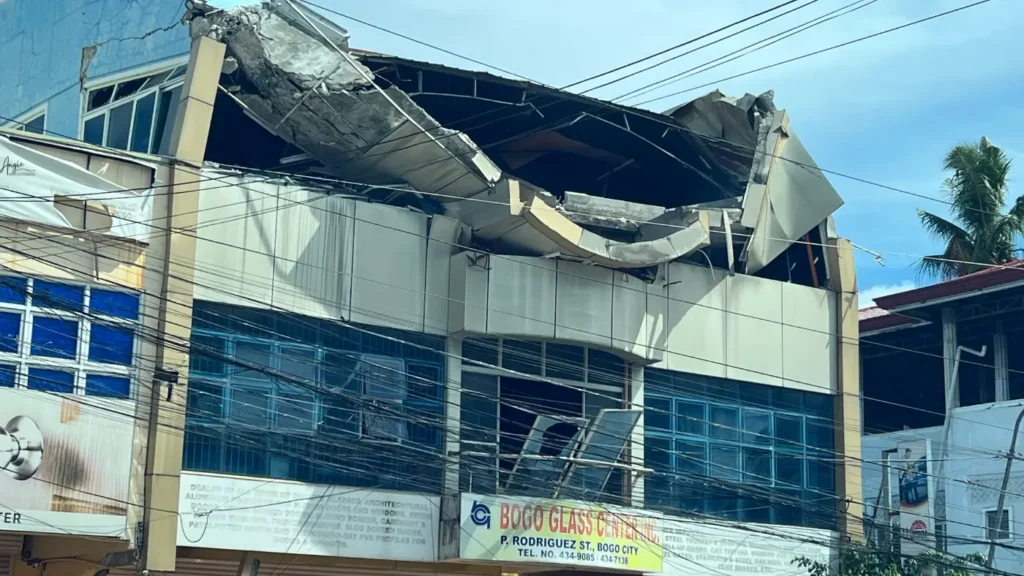
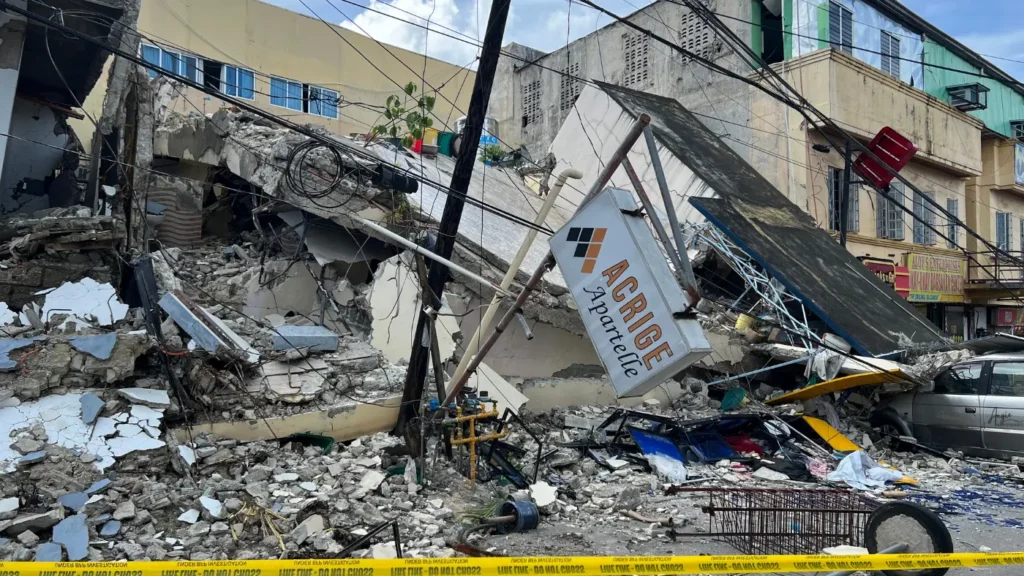
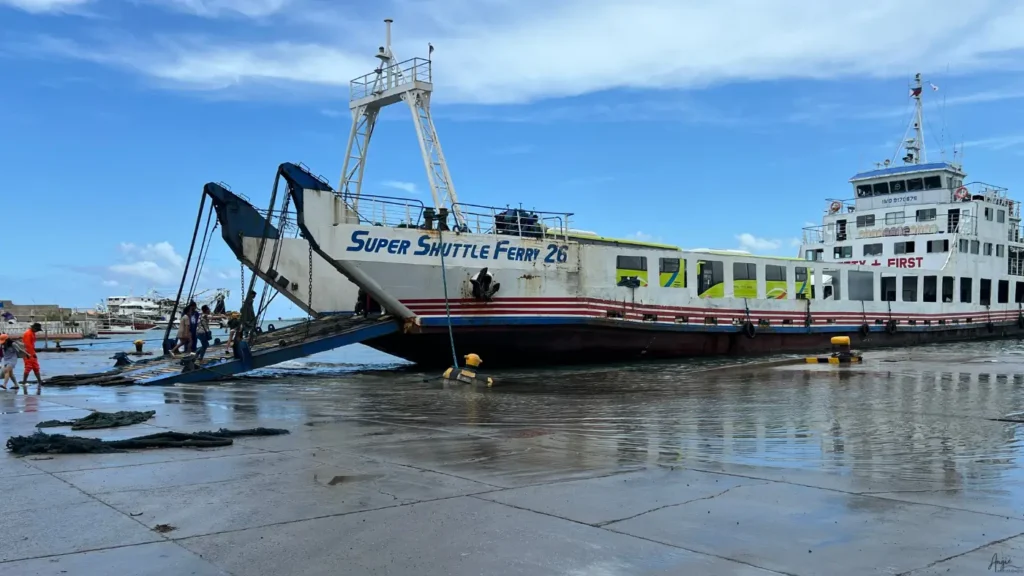
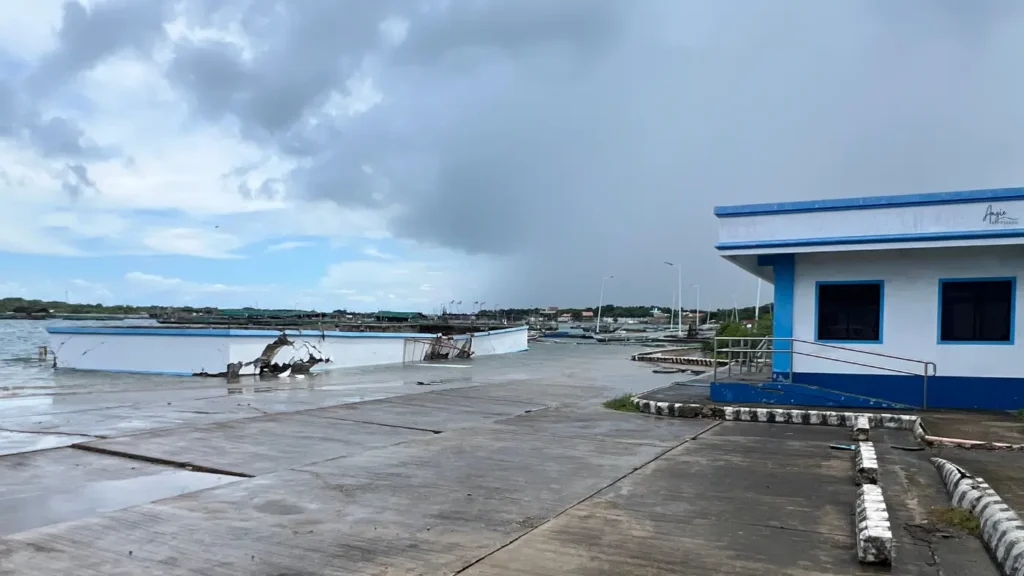
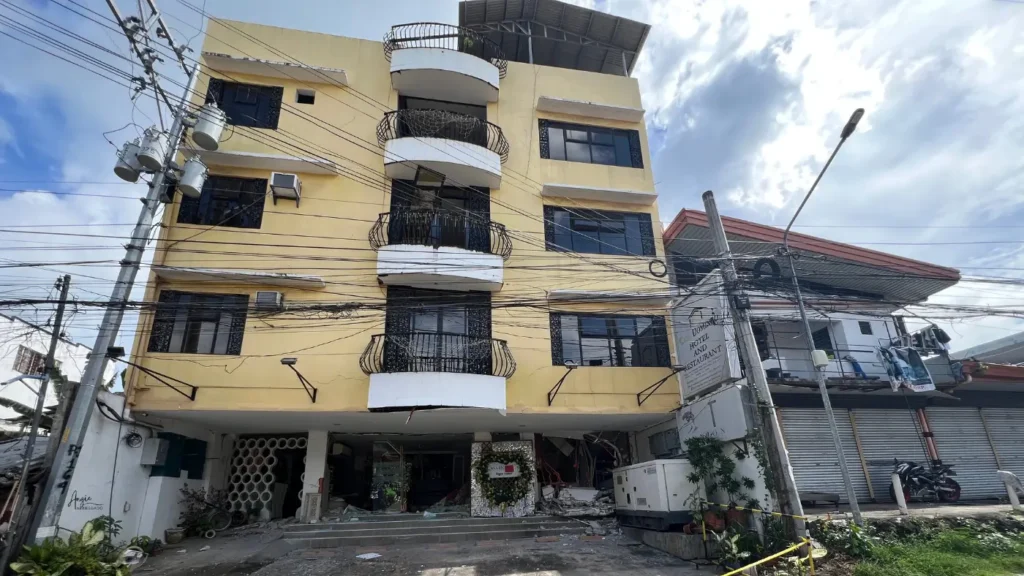
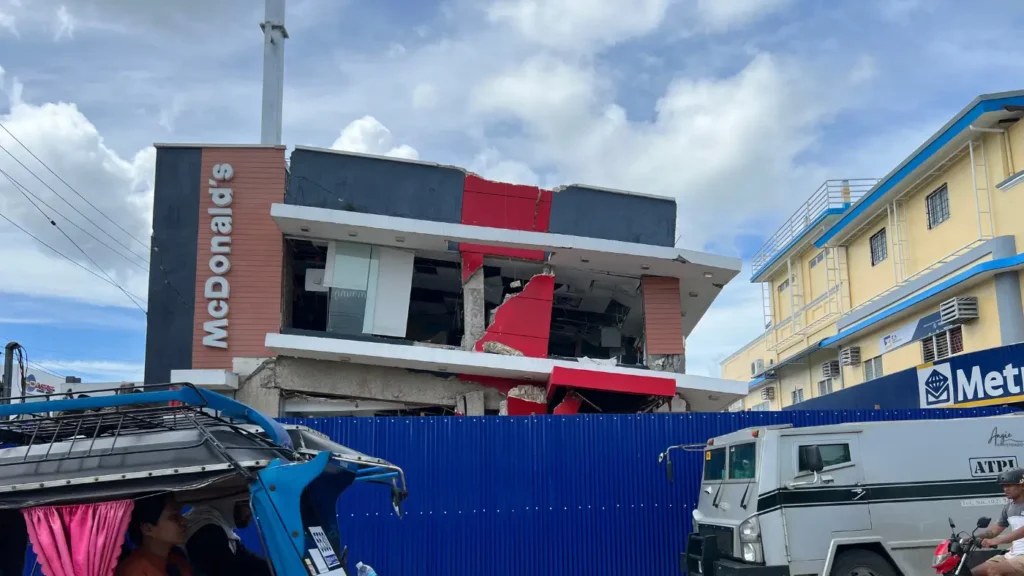
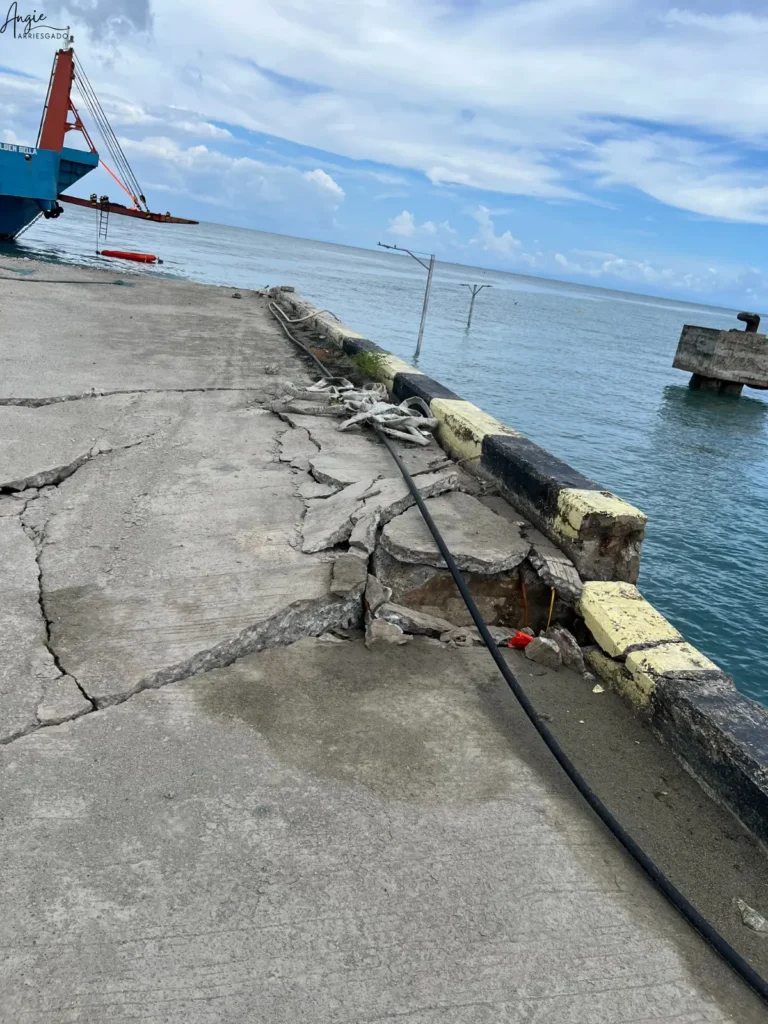
When my husband reached San Remigio, Bogo City, and Hagnaya Port, he saw the worst of what the North Cebu earthquake had done. Buildings and homes had collapsed. Cracks split across roads. Familiar landmarks were gone.
He passed by the district hospital where body bags were laid out in front, a sobering reminder that this wasn’t just about damaged property. As of now, the death toll has surpassed 70, with hundreds injured and thousands displaced.
Many families were camping out in open fields, afraid to stay indoors. Some were sleeping by the roadside, close enough to flag down passing vehicles in hopes of getting food or water.
Yang didn’t talk much about it when he got home. I think it was too heavy to put into words.
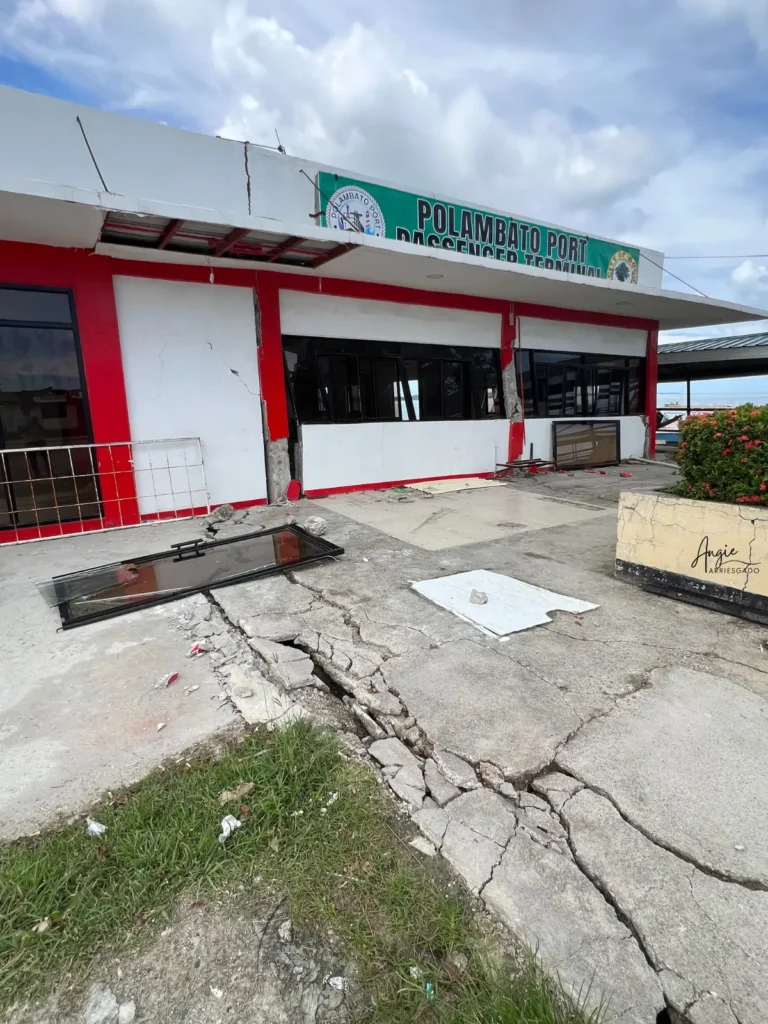
Bayanihan After the North Cebu Earthquake
Despite the destruction, what stood out most was the bayanihan that followed. Within hours, donation drives were launched across Cebu. Everyone wanted to help.
Even though I’m currently between jobs, I gave what I could: small cash donations to volunteer groups and bags of rice, noodles, water, and biscuits for churchmates whose families in Bogo City lost their homes.
At Arriyus Apartelle, a volunteer group reached out asking if they could use our space for a relief operation. The nearby neighborhood didn’t have parking space, so we offered our property. They parked their trucks, unloaded supplies, and began distributing goods to residents. It was simple but powerful. The smiles on people’s faces said everything.
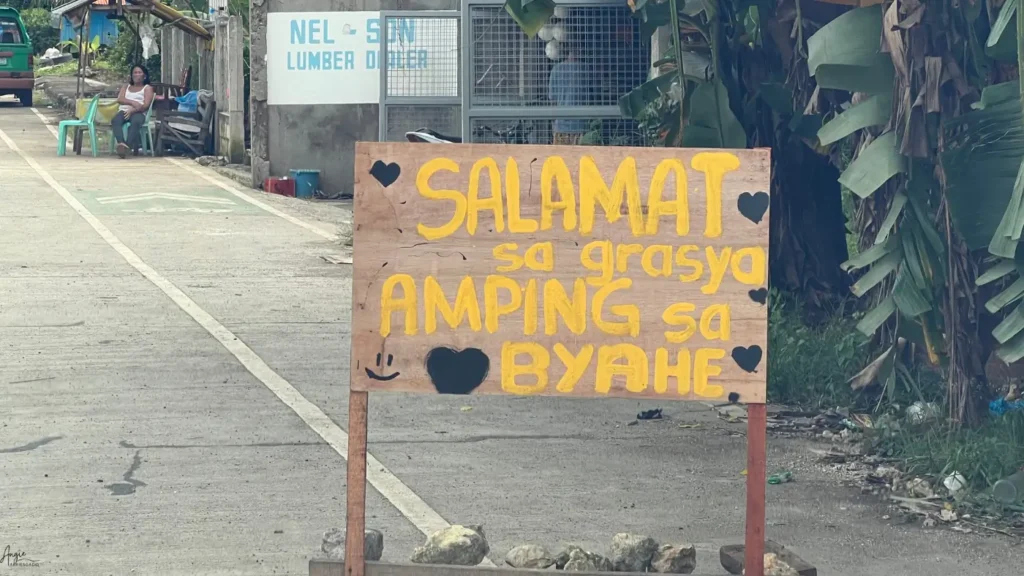
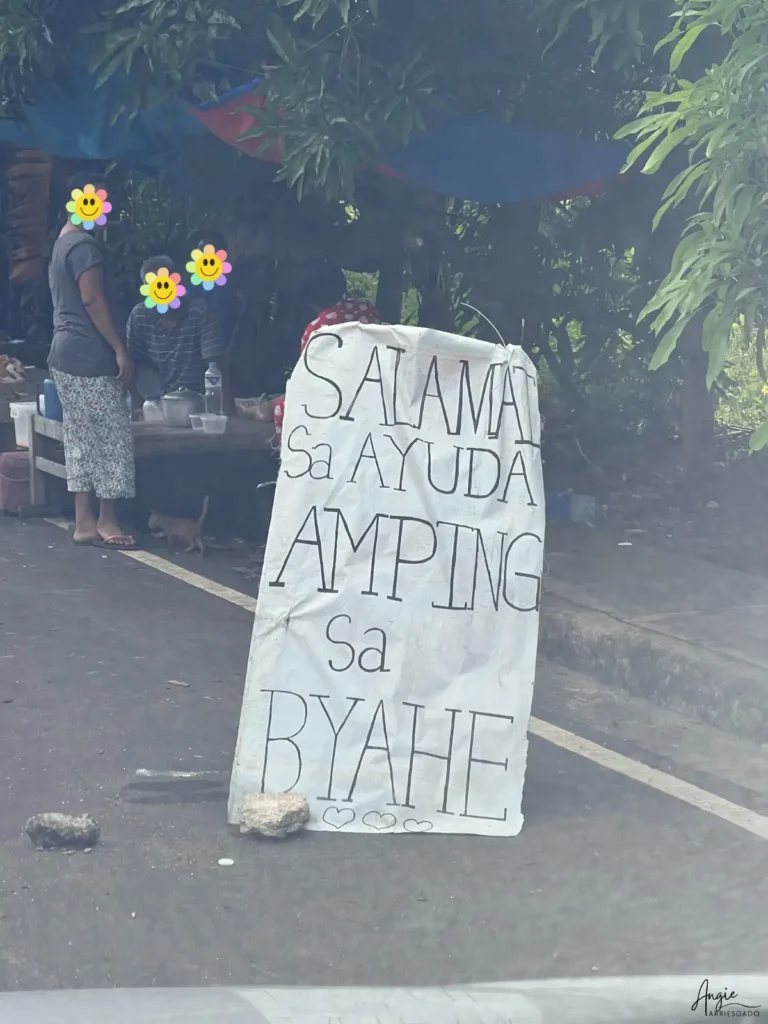
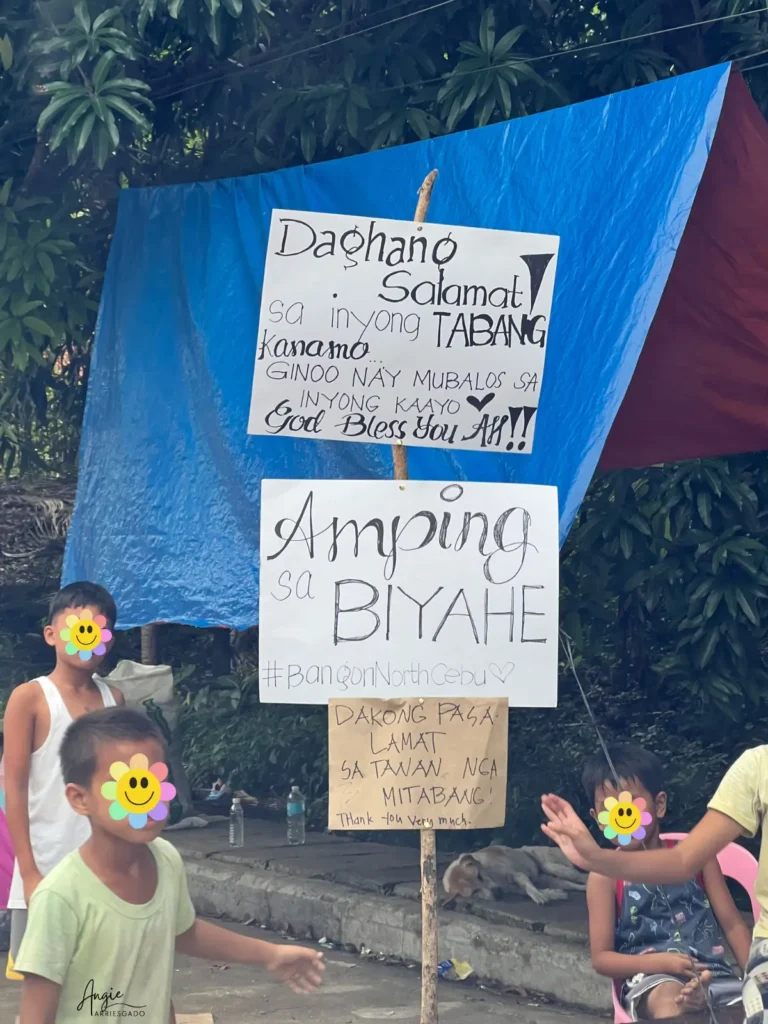
Below is a compilation of photos my husband captured on the way home. North Cebu residents have lost so much, yet they remain super thankful to everyone who helped with the earthquake relief efforts. Some held up signs thanking motorists, while others offered free food and drinks. So heartwarming to see Cebu bayanihan in action!
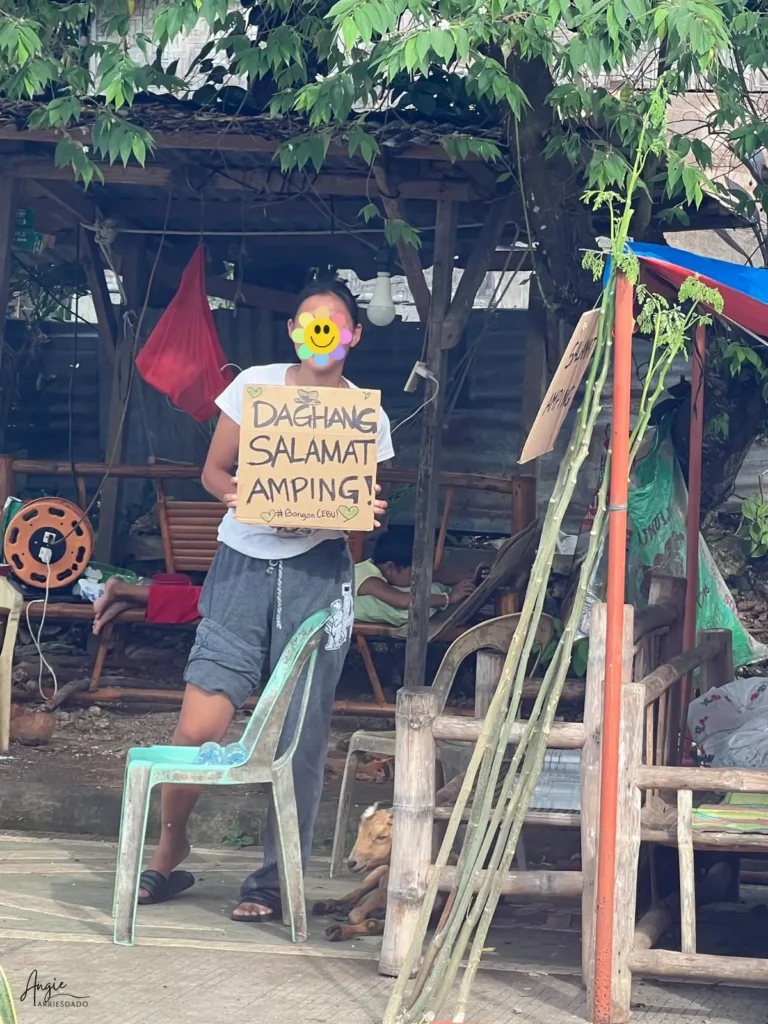
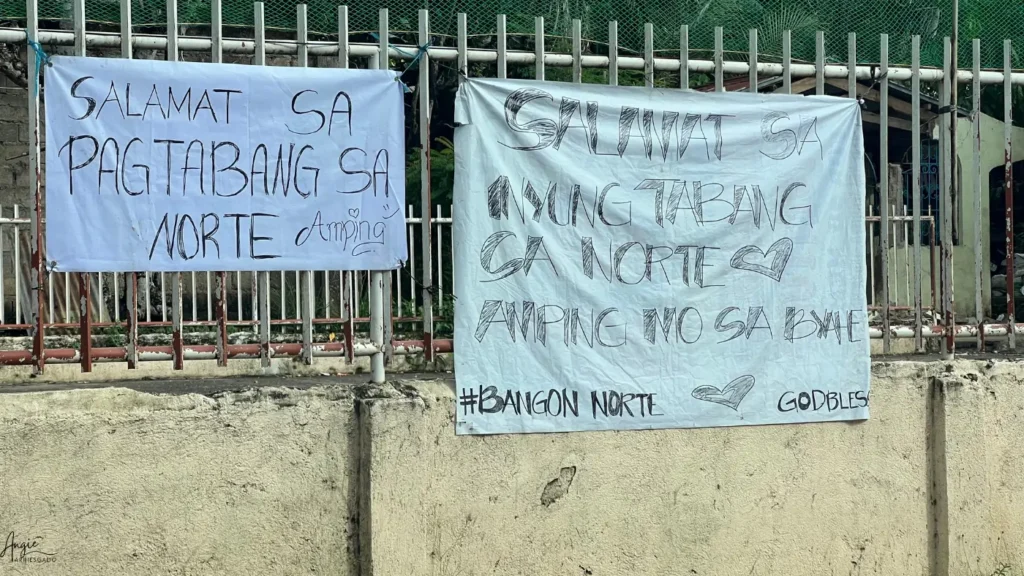
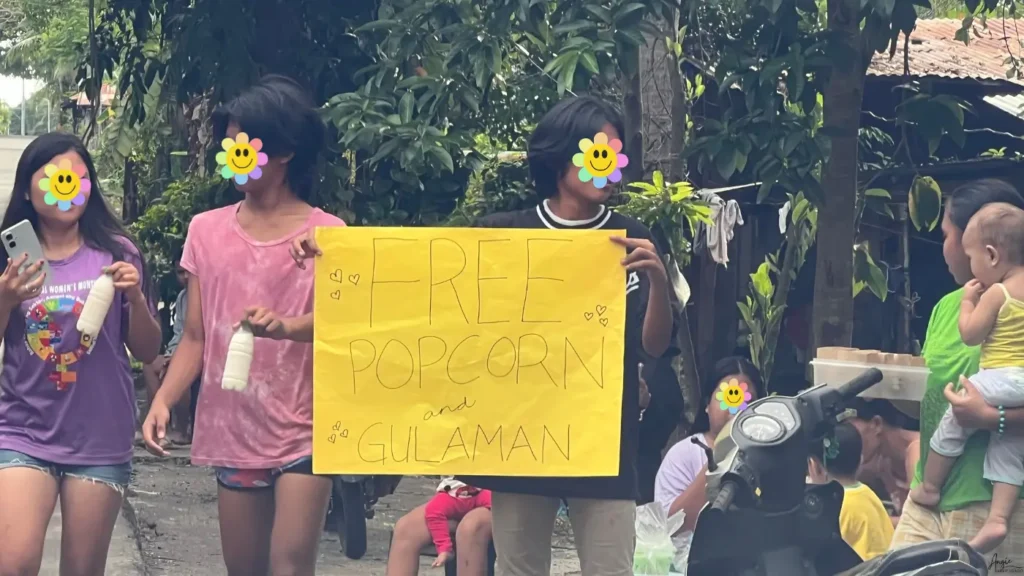
Reflections From Cebu
This quake has been one of the hardest events Cebu has faced in years. The stories coming out of the north are heartbreaking: entire families lost, children found clinging to their parents, homes reduced to rubble.
But once again, the strength of Cebuanos shone through. When Typhoon Odette hit Metro Cebu and South Cebu in 2021, it was the people of North Cebu who helped us. Now it’s our turn to return that kindness, and the response has been overwhelming.
Living in the Philippines means facing nature’s tests over and over again: typhoons, floods, earthquakes. Yet we always rise. Every time, our compassion outlasts the chaos.
I’m not Cebuana by birth, but after living here since 2009, I can honestly say this place is special. The people, the kindness, the way everyone looks out for each other — that’s what keeps me proud to call Cebu home.
If you’d like to help, there are still many ongoing North Cebu Earthquake 2025 relief efforts for San Remigio, Bogo, and nearby towns. Even the smallest donation or a prayer can make a difference. Bangon, North Cebu. 💪